What Buyers Should Look for Before Falling in Love with a Home
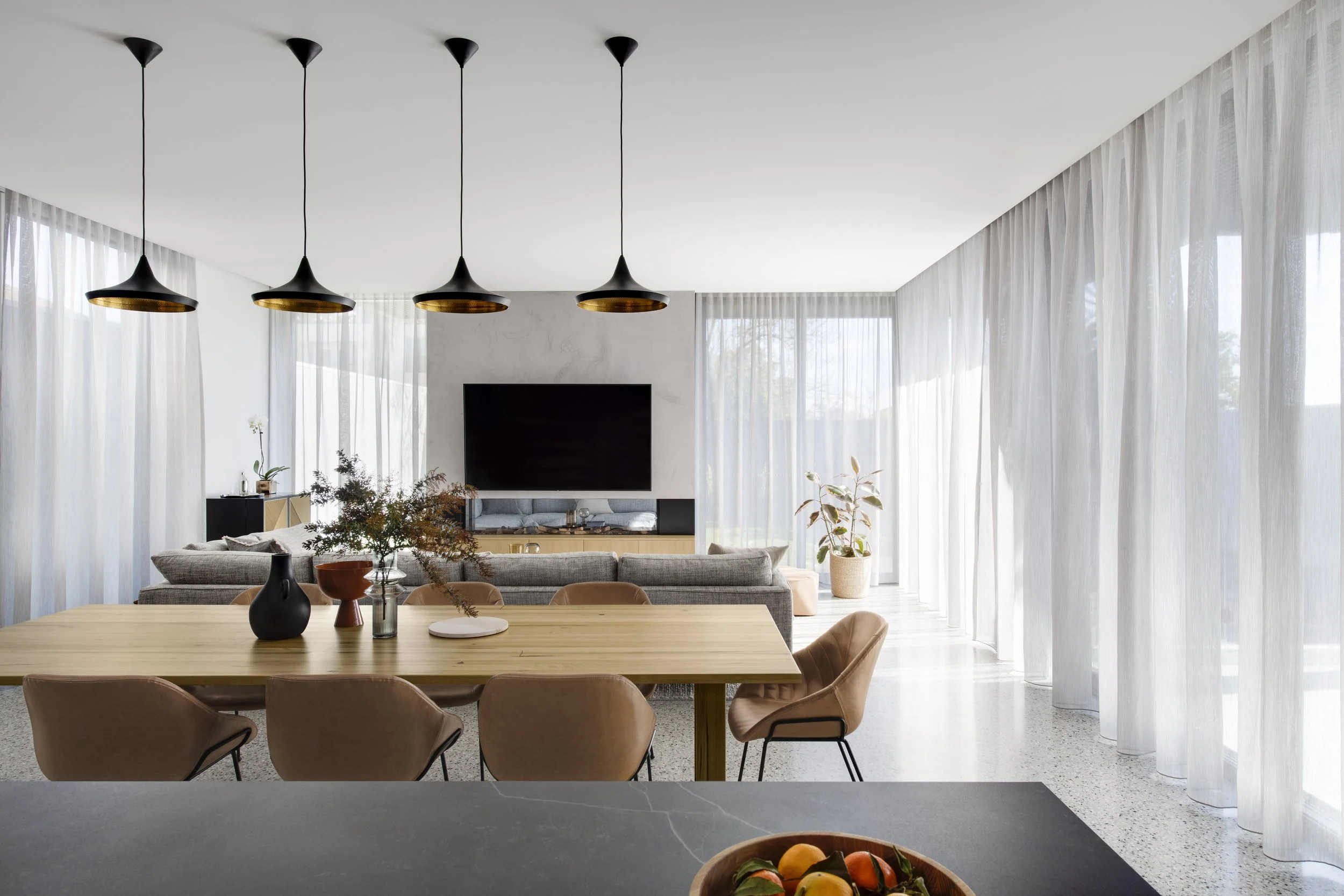
Interior Flow | Residential Open Plan Dining and Living Room Design and Styling in Balwyn North
Insights from LP Advisory Buyer Agents and Interior Flow Interior Designers
Buying a home is emotional. It should be.
You are choosing where your mornings begin, where your family gathers, where you unwind, and where your life will unfold over the next chapter.
But emotion should never be the only thing driving the decision.
A home may feel beautiful during an open inspection, especially when it has been styled well, freshly painted and carefully presented for sale. But once the campaign is over, the furniture is removed and everyday life begins, the real question becomes, does this property actually work for you?
That is where the right professional advice can make a significant difference.
At LP Advisory Buyer Agents, we help buyers assess property from a market, value, risk and long-term performance perspective. At Interior Flow Interior Designers, Krystal Sagona helps clients understand how a home can function, feel and evolve through thoughtful interior design, spatial planning and styling.
Together, these two perspectives help buyers look beyond the surface and make more confident property decisions.
What a buyer’s agent sees first
When LP Advisory assesses a property for a client, we are looking at much more than whether it presents well.
The first consideration is location and position. Is the property walkable to the amenities that matter? Is it close to public transport, schools, parks, village strips or lifestyle precincts? Is it positioned well within the suburb, or is it compromised by a main road, poor surrounding housing, industrial use or limited resale appeal?
Location is one of the few things you cannot change after settlement.
From there, we assess whether the price makes sense. A property may look impressive online or feel beautiful during an inspection, but the numbers still need to stack up. We look at comparable sales, buyer demand, land component, property type, condition, scarcity and future resale appeal.
We also look at the condition of the home. Does it need structural work, or are the improvements mainly cosmetic? If work is required, what might it cost, and does the property still make sense once those future costs are added to the purchase price?
A home can be beautiful and still be the wrong buy.
What an interior designer sees first
For Krystal Sagona, Director of Interior Flow, the first impression of a home is not just visual. It is emotional and spatial.
She considers how the home feels on arrival, what sits in the direct line of sight, how the space reveals itself and whether the layout supports daily living.
Good design is not only about finishes. It is about how a home functions and the connection between its indoor and outdoor spaces.
Does the property have natural flow? Is there enough light? Are the rooms well proportioned? Is there storage? Can the home support both connection and retreat?
Open-plan living is often high on a buyer’s wish list, particularly for families. But a well-designed home should also allow for quiet moments, privacy and calm. A home that supports wellbeing needs both openness and retreat.
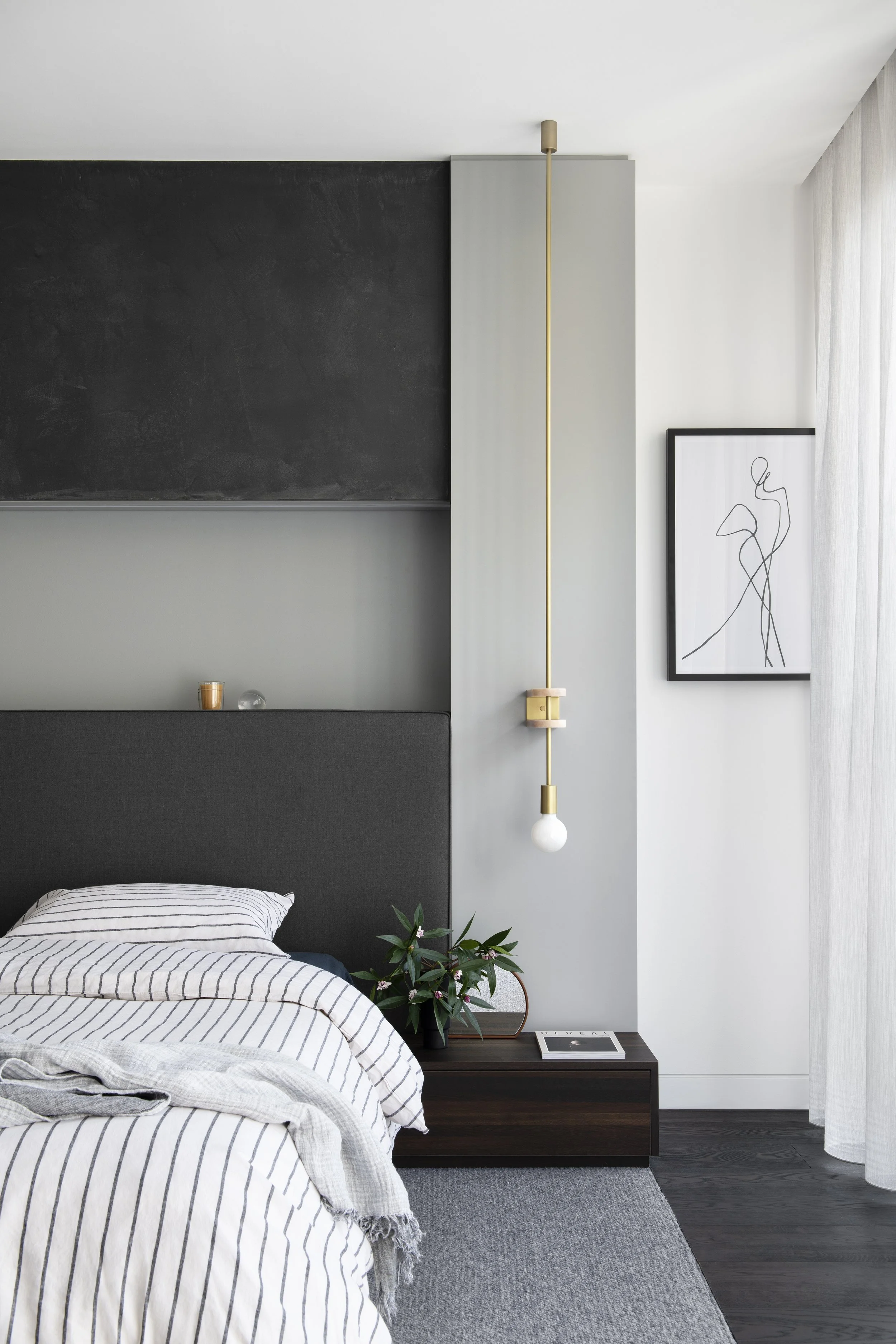
Interior Flow | Residential Master Bedroom Design in Balwyn North
The trap of styling
One of the biggest traps for buyers is being overly influenced by presentation.
Styling can completely change how a property feels. So can fresh paint, new lighting, soft furnishings and carefully selected furniture. These elements are powerful, but they can also make a buyer feel that a property is more valuable than it really is.
A seller may spend a few thousand dollars improving presentation before sale, but if that presentation creates a strong emotional response, buyers can end up paying significantly more.
This is where buyers need to separate presentation from potential.
A beautifully styled home is not automatically a strong purchase. A poorly presented home is not automatically a bad one. The real question is what sits underneath.
Is the floorplan functional? Is there natural light? Are the room proportions right? Is there enough storage? Is the property positioned well? Is there strong future resale demand? Can the home be improved without overcapitalising?
Styling can create emotion, but fundamentals create long-term value.
Good bones and renovation potential
The phrase “good bones” gets used often in real estate, but it can mean different things depending on who is assessing the property.
From a buyer’s agent perspective, good bones often come back to fundamentals. Location, land component, street quality, property type, orientation, floorplan, scarcity and long-term buyer demand all matter.
From an interior design perspective, Krystal looks at proportion, ceiling height, natural light, flow and the ability to improve the home without unnecessary disruption.
Not all renovation potential is equal.
Some improvements can have a strong impact without requiring major structural work. These may include new flooring, paint, layered lighting, updated hardware, improved window furnishings, joinery fronts, better storage or cosmetic upgrades to kitchens and bathrooms.
Other changes can become far more costly. Structural works, plumbing relocations, waterproofing, electrical upgrades and major layout changes can quickly add significant expense.
Bathroom renovations can also vary greatly depending on the construction of the home. Where floorboards can be lifted, plumbing access may be easier. Where concrete slabs are involved, changes can become more invasive and expensive.
This is why buyers need to understand the difference between a cosmetic opportunity and a costly renovation before they buy.
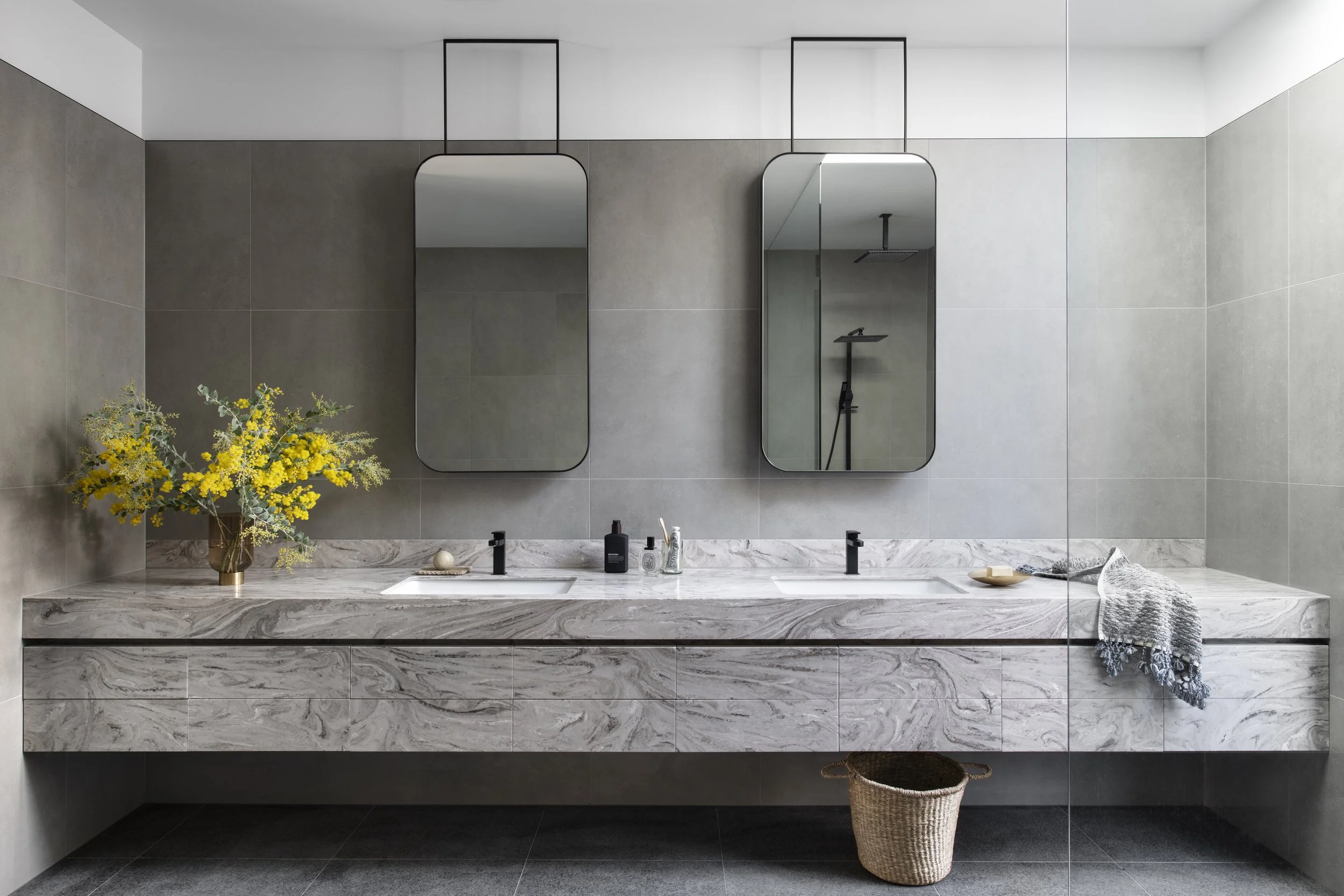
Interior Flow | Residential Master Ensuite Design in Balwyn North
The red flags buyers should not ignore
Some issues can be improved over time. Others are much harder to solve.
From a property perspective, red flags may include a compromised location, main road position, poor natural light, awkward floorplan, lack of parking where parking is expected, oversupply, body corporate issues, building defects, overcapitalisation risk or poor resale appeal.
From a design perspective, uneven flooring may point to structural issues, while recently renovated bathrooms can sometimes prioritise appearance over function.
A property that looks updated is not always well resolved. Sometimes the expensive work has already been done poorly. Other times, the home looks dated but has excellent bones and far better long-term potential.
This is where due diligence matters.
Building inspections, contract reviews, comparable sales, owners corporation checks, planning considerations and professional advice can help buyers understand what they are really buying before emotion takes over.
Why both perspectives matter
A buyer’s agent and an interior designer look at the same property through different but complementary lenses.
LP Advisory assesses the property from a market, value, risk, negotiation and long-term performance perspective. We look at whether the location, price, property type, condition and resale fundamentals make sense.
Interior Flow assesses how the home feels, functions and could evolve. Krystal considers flow, light, proportion, storage, materiality, layout and whether the property can support calm, practical and beautiful daily living.
Together, these perspectives help buyers understand both the present reality and future potential of a home.
It is not just about whether a property looks good today. It is about whether it can support your lifestyle, goals and financial position over time.
Final thoughts
Falling in love with a home is part of the buying journey, but it should not be the whole strategy.
The right home should feel good, function well, hold value and support your life as it changes. It should make sense emotionally, practically and financially.
For buyers, the strongest decisions are made when lifestyle and logic work together.
With the right advice, you can look beyond the styling, understand the true potential of a property and buy with far more confidence.
Krystal Sagona
With over 20 years experience as a residential & commercial Interior Designer, Krystal has built a strong reputation in the design industry. Award winning designer and highly intuitively creative, Krystal has the innate ability to understand and deliver your creative brief. Krystal is a registered Draftsperson with the Victorian Building Board (VBA) and a qualified Feng Shui consultant with the AFSC (Association of Feng Shui Consultants) International.